
Free · Online · Grades 6–9 · Summer 2026 has wrapped
Read real science.
Together.
The Youth STEM Journal Club is a free, online summer program for rising 6th–9th graders that turns video‑game time into productive STEM discovery. With no homework or grades, learn to dissect real research papers through hands‑on exploration with experienced Mission San Jose mentors.
Our Summer 2026 cohort has wrapped — their literature reviews are now live in Volume 2 of the Journal. Registration for Summer 2027 opens next spring; stay tuned.
- 0subjects
- 0scholars
- 0papers analyzed
- 0weeks
Check out the video to learn more.
Backed by research
Journal clubs are effective approaches in the training of [students] while exercising communication skills and critical thinking.
- Builds critical thinking & research skills
- Prepares students for high school STEM
- Small groups, flexible scheduling
- 100% free — no fees, ever
The program
How it works
Format, structure, and what to expect from a four-week online cohort.
Read program detailsThe Archive
The Journal
Two volumes of literature reviews written by our cohort scholars — including the new Volume 2 from Summer 2026.
Open the journalThe Team
Meet the mentors
The high school students who lead each cohort.
Meet the teamHow it works
Four-week rhythm.
Two 1-hour Zoom sessions per week. Mentors lead. Students read, discuss, and present.
-
Day 1 — Introduction to research literature
Anatomy of a research paper. Types of research. Breakout rooms by subject to meet your mentor.
-
Day 2 — Your first paper
Mentors introduce your cohort's first paper and walk you into the methods. Guided reading begins.
-
Day 1 — Results & interpretation
Reading figures, tables, and statistical claims. Cohort discussion: what do the results actually show?
-
Day 2 — Methods deep-dive
How researchers design a study — controls, variables, sample size. Identify methods in a short companion paper.
-
Day 1 — Limitations and critique
Identifying limitations, confounders, and unanswered questions. How peer review and replication work.
-
Day 2 — Connecting the paper to the field
Where does this paper fit? Related work, follow-ups, and choosing your final presentation angle.
-
Day 1 — Final presentation preparation
A clinic on science communication. Mentors give live feedback on your draft slides.
-
Day 2 — Presentation Day
Department heads introduce each group. Students present their analyses to peers and parents. Closing remarks.
Source: YSJC 2026 Program Outline (PDF)
Subjects
Six fields. One way of thinking.
Each cohort is small, mentor-led, and built around real research papers in its field.
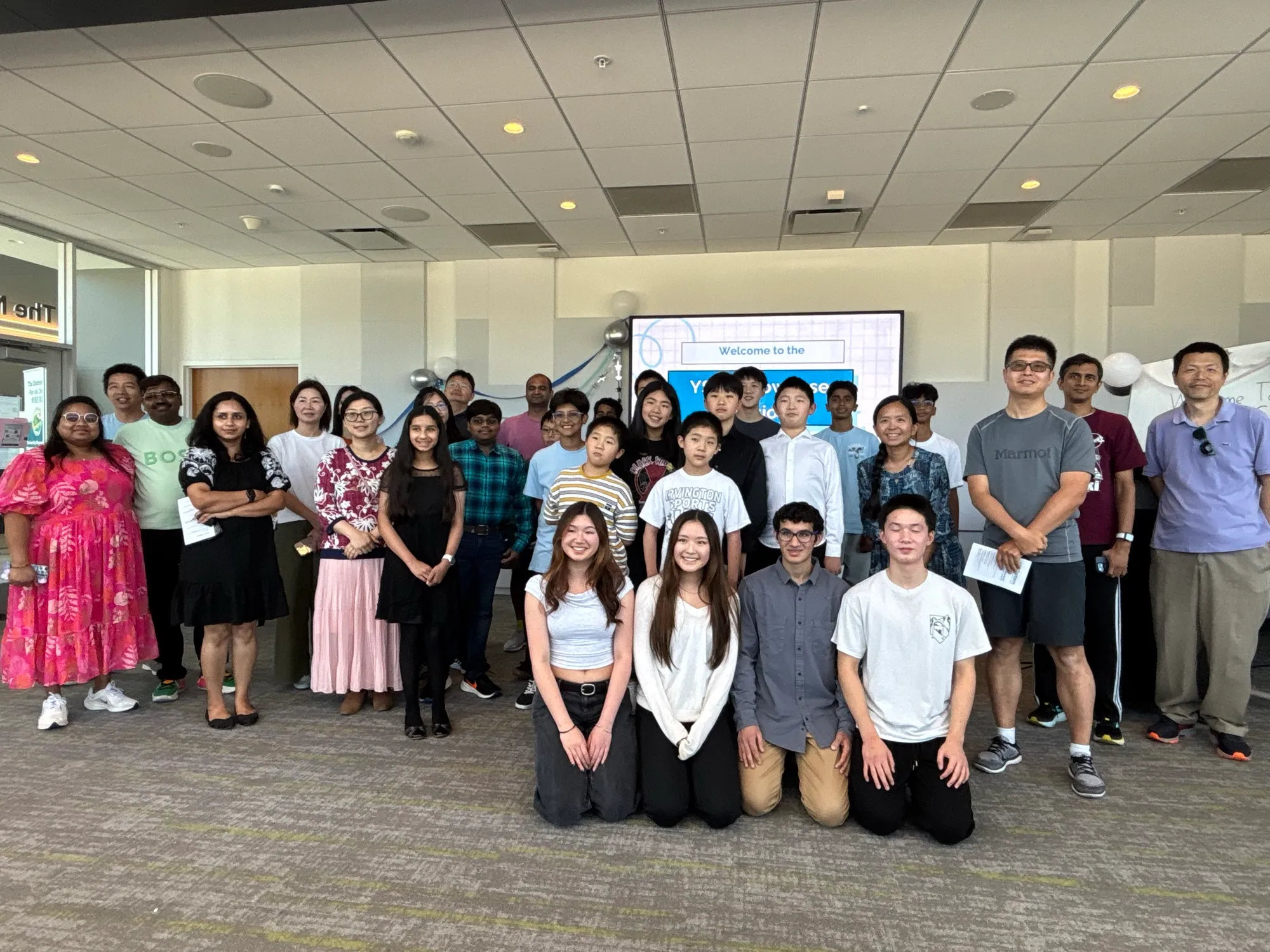
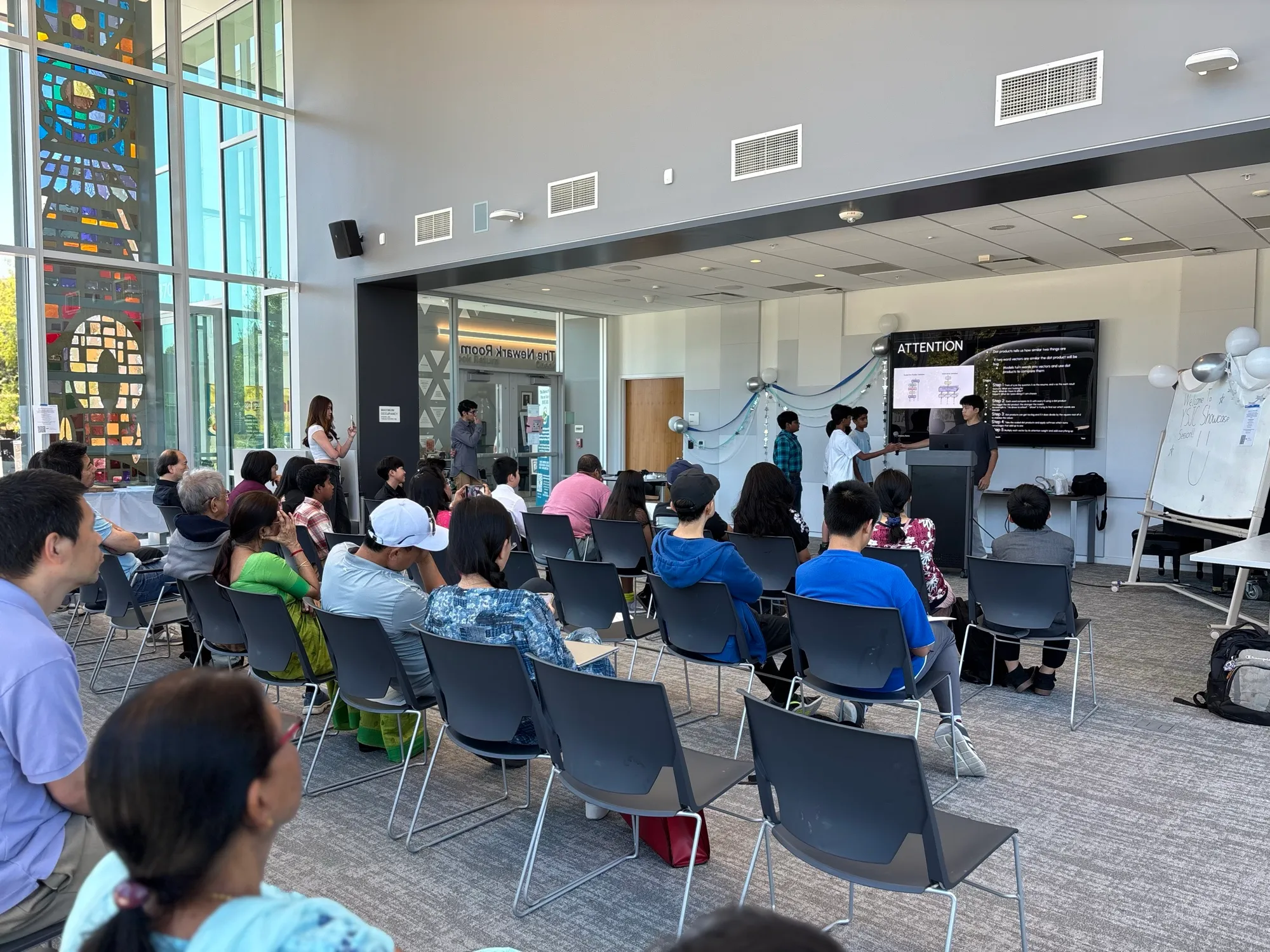
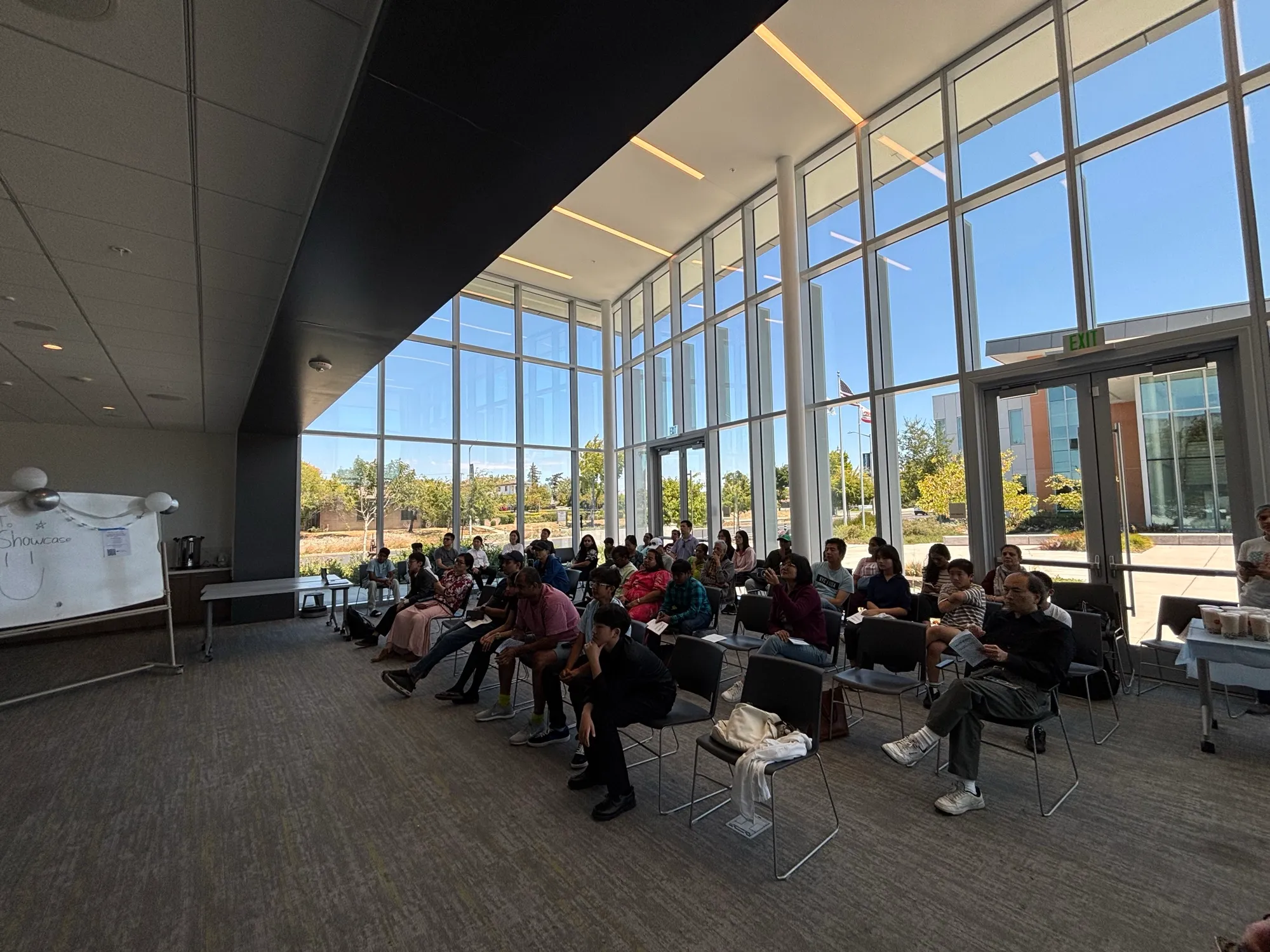
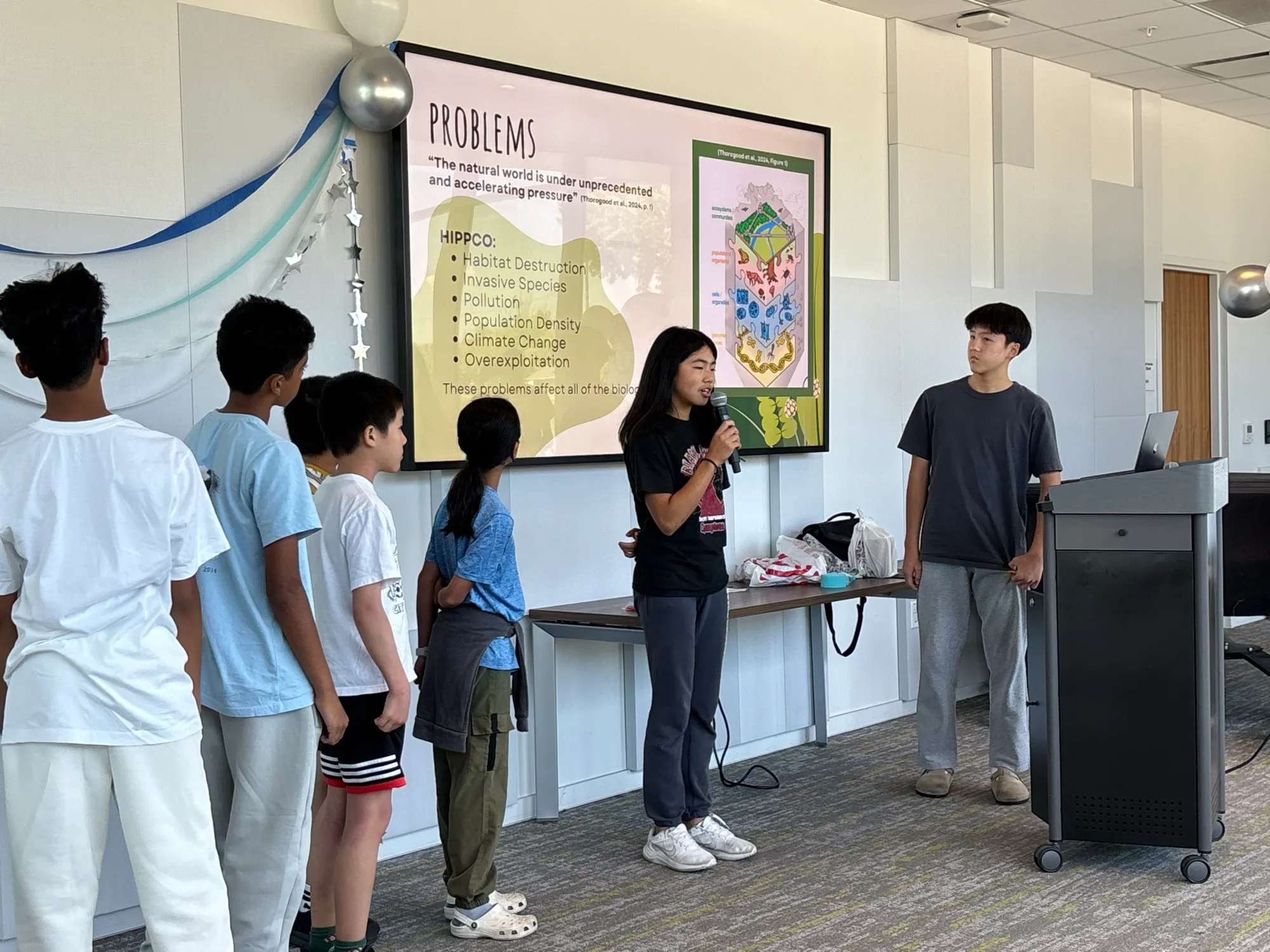
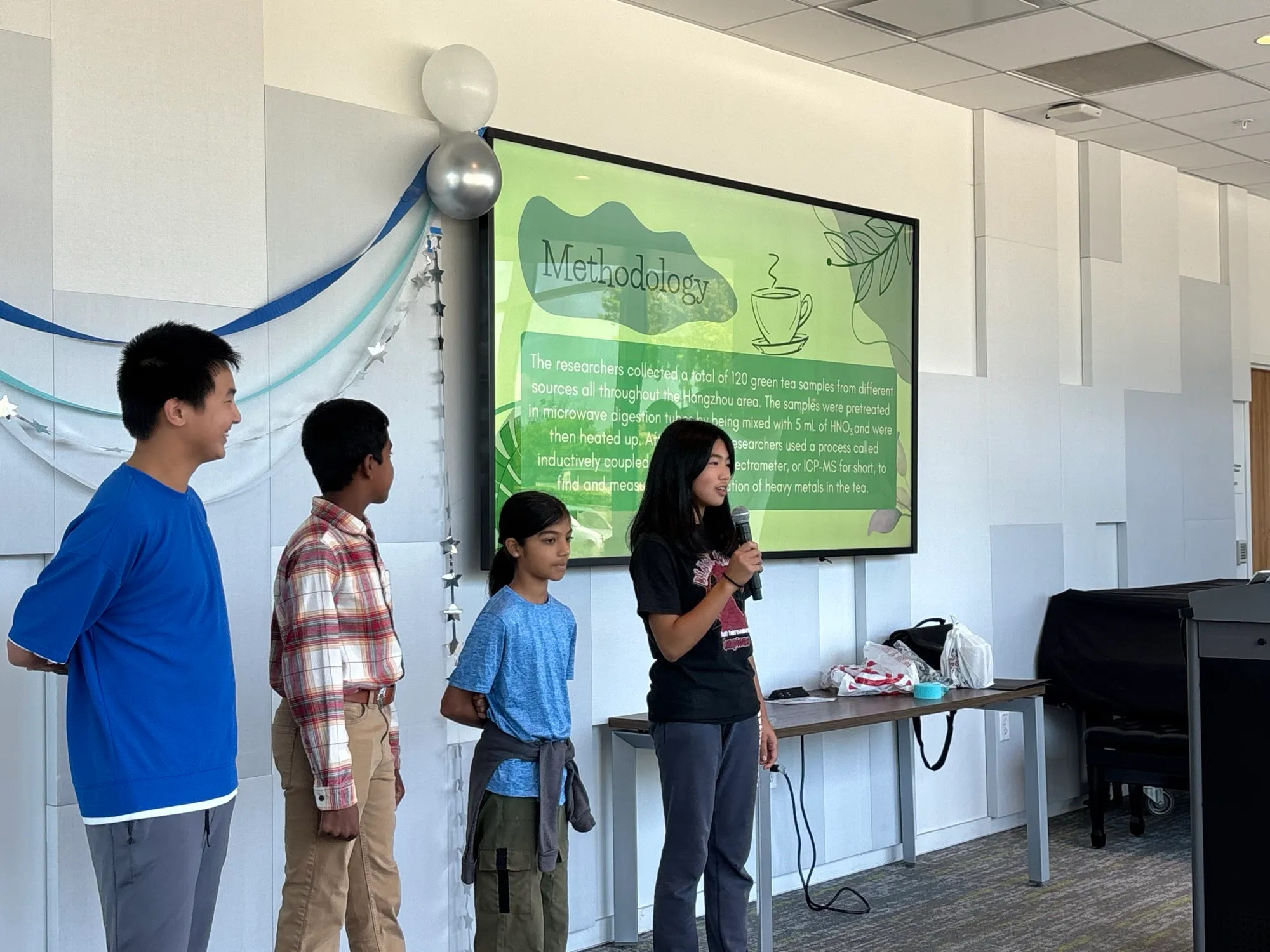
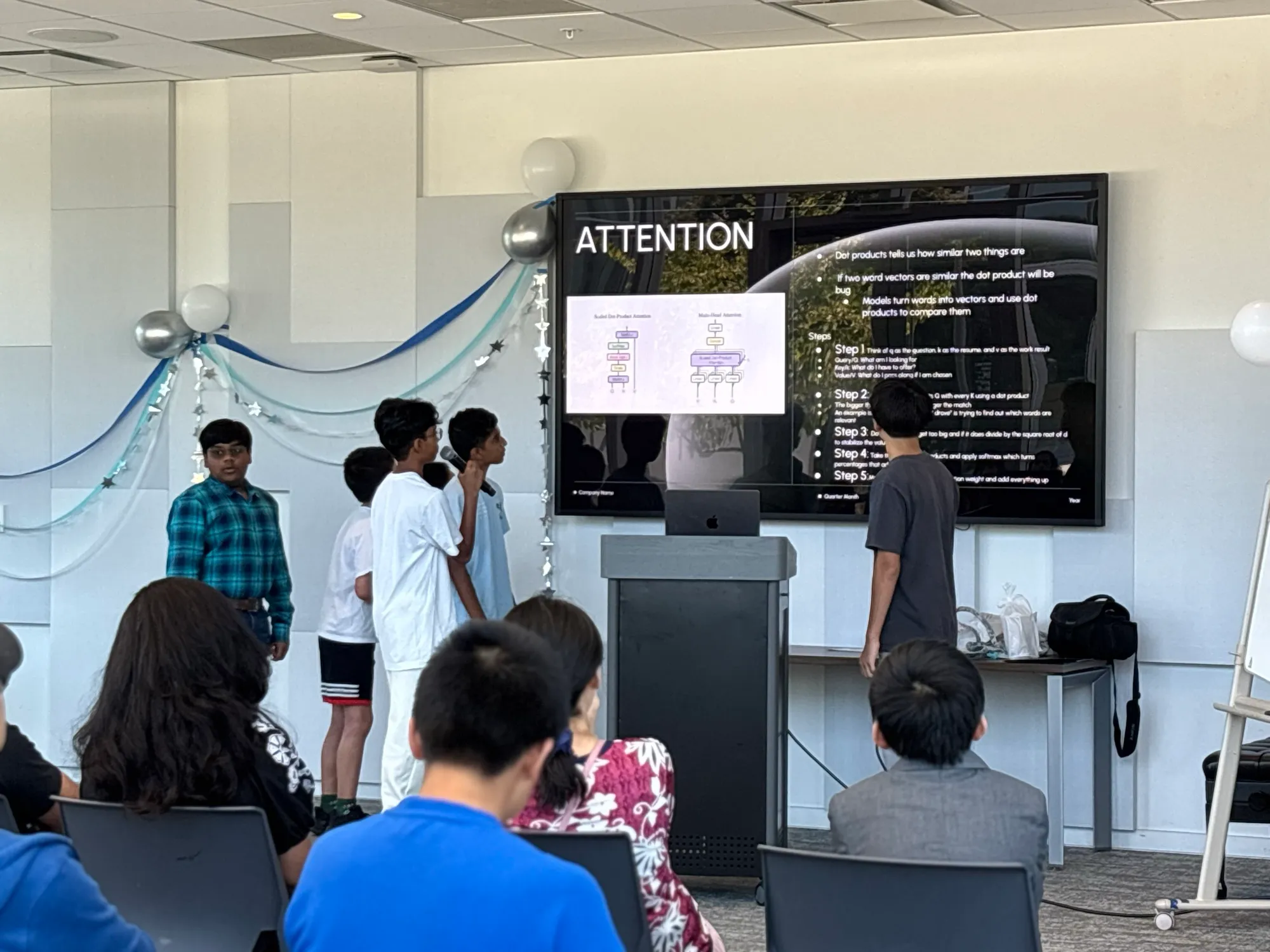
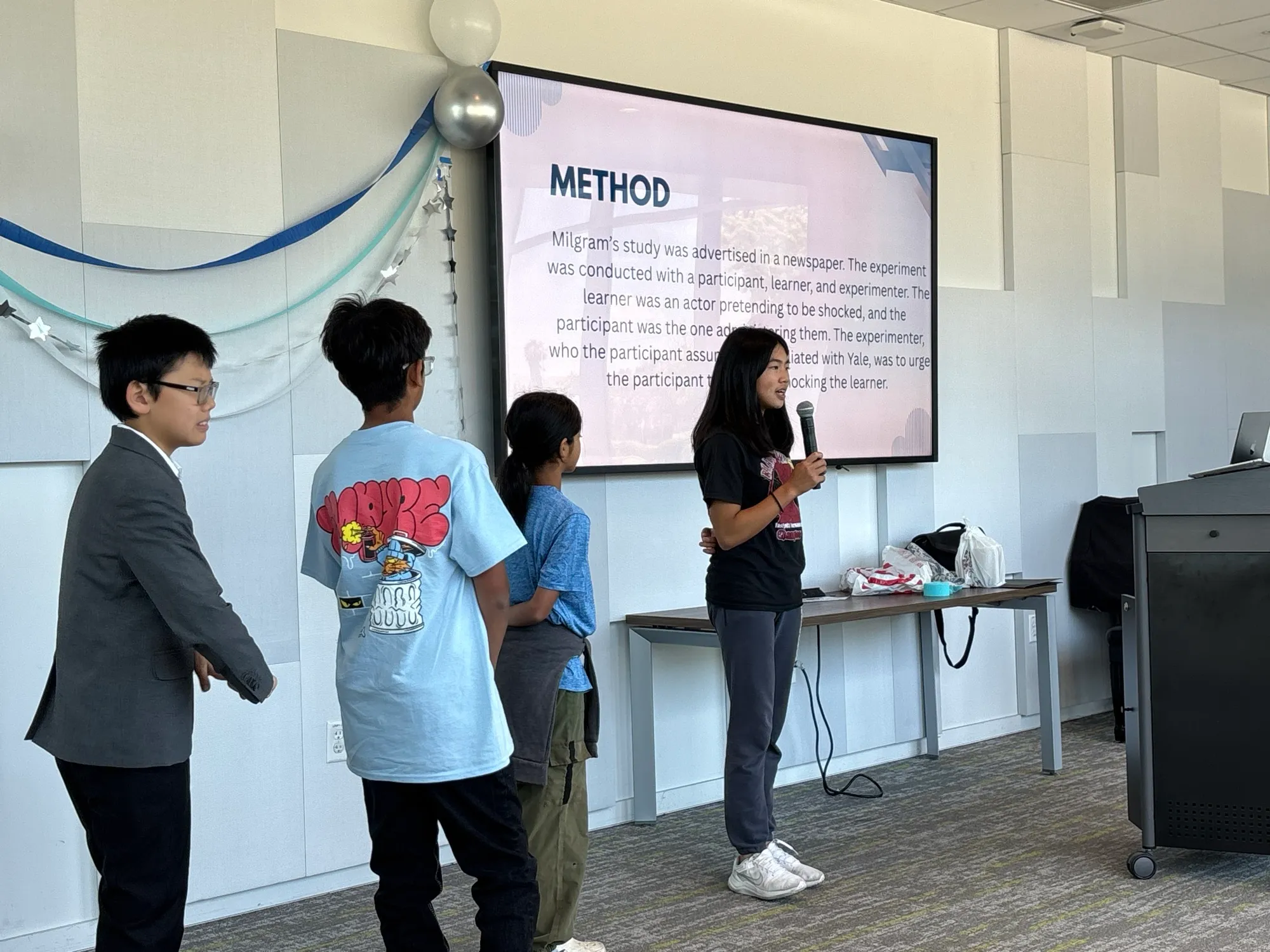
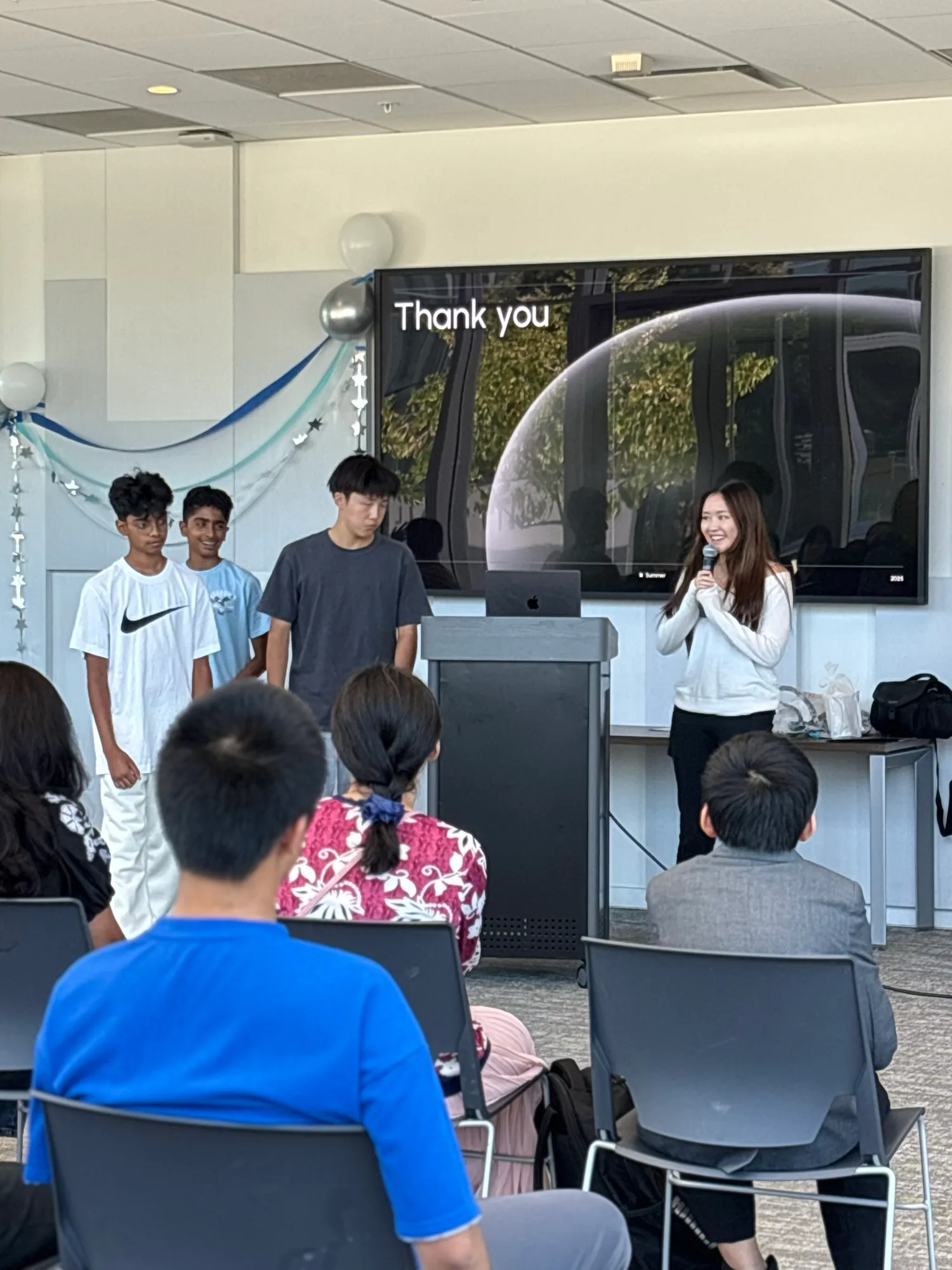
Last summer
Photos from Showcase Day.
Newark Library Community Room — July 26, 2025.
100% free · Back for Summer 2027
See you in Summer 2027.
Our Summer 2026 cohort has wrapped — you can read everything they produced in Volume 2 of the Journal. Registration for Summer 2027 opens next spring; email us and we'll make sure you're the first to know when it does.
Read Volume 2 Email us about 2027
Questions? Email ysjcteam@gmail.com